



Introduction
If you are looking for a place to learn Data Analysis physically in Akure, choosing the right training environment can make a major difference in how quickly you develop practical skills.
Data Analysis is not simply about learning software. A good training programme should help you understand how to collect, clean, analyse and present data so that you can use it to answer real business and professional questions.
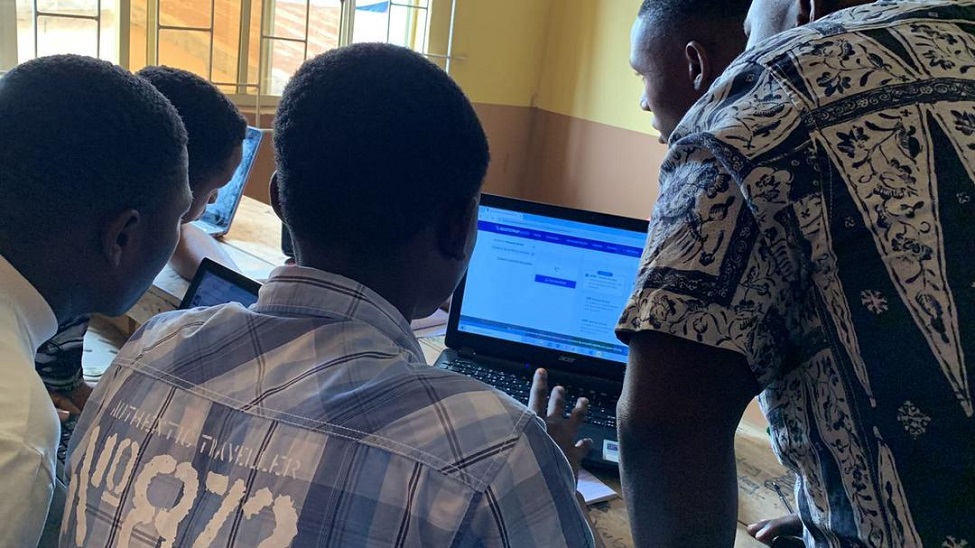
For learners who prefer face-to-face instruction, physical Data Analysis classes in Akure provide the opportunity to learn in a structured classroom environment, interact directly with instructors and practise with other learners.
What Is Data Analysis?
Data Analysis is the process of examining data to discover useful information, identify patterns, answer questions and support better decisions. Organisations use data analysis in areas such as business, finance, marketing, education, healthcare, operations and technology.
A Data Analyst may work with spreadsheets, databases, dashboards and other analytical tools to turn raw information into useful insights. For beginners, the most important thing is not trying to learn every data tool at once. It is developing a strong foundation and gradually learning how the tools work together.




Why Learn Data Analysis Physically in Akure?
Physical classroom training can be particularly useful if you learn better when an instructor is available to explain concepts and demonstrate practical tasks in person. Some advantages include:
Direct interaction with an instructor
You can ask questions during lessons and receive explanations when a concept is difficult to understand.
A structured learning environment
Attending classes regularly can help you maintain a learning routine instead of trying to study everything on your own.
Practical exercises
Data Analysis requires practice. Working through exercises during class can help you move from simply watching demonstrations to actually performing analytical tasks.
Learning with other students
A classroom environment allows you to interact with other learners, discuss problems and learn from different approaches to the same task.
Immediate clarification
When you encounter an error or do not understand a particular step, you can raise the issue during the lesson instead of remaining stuck.
Testimonials from Our Past Graduates
What Should You Learn in a Data Analysis Course?
A practical Data Analysis programme should introduce you to the important stages of working with data. Depending on the programme, this can include areas such as:
Understanding data and datasets
Data collection and preparation
Data cleaning
Spreadsheet based analysis
Working with databases and SQL
Data visualization
Dashboard development
Interpreting analytical results
Presenting insights
Practical data analysis projects
Tools commonly associated with Data Analysis include Microsoft Excel, SQL, Power BI and Python, although the exact tools and curriculum depend on the training programme. The goal should be to understand how to use these tools to solve problems rather than simply memorising software features.
Who Can Learn Data Analysis?
You do not necessarily need to be an experienced programmer to begin learning Data Analysis. The field can be suitable for:
University students
Graduates
Working professionals
Business owners
Entrepreneurs
Administrative professionals
People changing careers
Beginners interested in technology
Professionals who want to make better use of business data
A willingness to practice and learn consistently is more important than already knowing everything about data.
How Long Does It Take to Learn Data Analysis?
The amount of time required depends on your previous experience, the depth of the programme and how consistently you practise outside class. A structured programme can give beginners a defined learning path instead of forcing them to decide what to learn next. At VOKS Institute, the Data Analysis programme is structured as a 12 week course, with classes held three times a week. You can review the current curriculum, programme details, learning options and registration information on the official course page.
Physical or Virtual Data Analysis Classes?
Physical learning is not the only option. If you are based in Akure and prefer to learn data analysis physically and get classroom instruction, VOKS Institte physical learning option is the best for you.
For learners outside Akure, including people in other parts of Ondo State, Southwest Nigeria and elsewhere, live virtual classes provide another way to participate without travelling to the physical training location. This makes the learning option more flexible for people who cannot attend classes physically in Akure.
Why Practical Training Matters
Knowing the definition of Data Analysis is different from being able to analyse a dataset. A practical learning approach should give you opportunities to work through real or realistic data problems. For example, you may need to:
Understand a dataset.
Identify missing or inconsistent information
Clean the data
Organize the information
Analyze the data
Create meaningful visualizations
Identify important patterns
Explain what the results mean
These practical steps help learners understand how Data Analysis can be applied beyond the classroom.
Learning Data Analysis in Akure
For learners searching for Data Analysis training in Akure, it is worth comparing programmes before making a decision. Consider factors such as:
Course curriculum
Practical exercises
Instructor support
Class schedule
Course duration
Learning format
Tools covered
Projects and practical work
Certification
Cost and payment options
Support available during and after training
Do not choose a programme simply because it uses the words "Data Analysis" in its title. Look at what you will actually learn and how much practical training is included.
Data Analysis Training at VOKS Institute
VOKS Institute provides a structured Data Analysis programme for learners who want to develop practical data skills. The programme is available through physical classes in Akure and live virtual classes for learners who prefer to study remotely. Classes are held three times a week, providing a structured schedule for learners who want consistent training. If you are ready to compare the curriculum, duration, fees, learning options and registration information, visit the VOKS Institute Data Analysis course page [1].
Frequently Asked Questions About Data Analysis Training
What should I look for when choosing a Data Analysis training institute?
Look beyond the course title. Check the curriculum, practical training, tools covered, instructor support, schedule, duration, learning format and the type of projects or exercises included.
Start Your Data Analysis Learning Journey
If you are based in Akure and prefer learning in a physical classroom, a structured Data Analysis programme can give you the environment, guidance and practice needed to develop your skills. If you are outside Akure, the virtual learning option provides another way to participate without relocating or travelling to the physical training centre. Before registering, review the current programme information and make sure the curriculum, schedule and learning format match your goals. View the VOKS Institute Data Analysis course details and registration options: https://voksinstitute.com/available-courses/data-analysis/course-details [2]
Google Map Showing VOKS Institute Location
Related Articles
Did you enjoy it? Checkout all articles relating to this post.



Related Data Analysis Resources
Continue exploring our Data Analysis learning resources, practical guides and course information: